著作开始:奇略筹商所公众号体育赛事直播
编者按:
本文作家终军弱冠,毕业于华东师范大学野心计系。终军兄对于野心计科学角度筹商围棋有私有观点,尤其是围棋法律解释、围棋的野心复杂性等问题。本文是终军弱冠用心整理的列国当代围棋法律解释各异相比。商酌法律解释问题的前提是了解现有法律解释的疏通点与不同点。若读者对围棋法律解释有酷爱酷爱,读完本文一定会有收成。
如今韩国打出法律解释牌,让咱们望望,宇宙列国的围棋法律解释,其实是怎样样的。
无人不晓,宇宙边界内的围棋法律解释于今都莫得长入,何况长入之路贫穷重重。那么到底宇宙各地的围棋法律解释是怎样样的呢,他们之间又有啥不同呢。
在本篇中,我尝试着找几个有代表性的围棋法律解释,尽可能地搜索这些法律解释的原文纠合,把它们整理起来。一来是但愿大致粗放以后的查询,二来是念念相比一下这些法律解释之间的各异。
这里我选了 7 个相比有影响力的法律解释:中国法律解释、日本法律解释、应氏法律解释、新西兰法律解释、好意思国法律解释、智运会法律解释和 Tromp-Taylor 法律解释。
在最基本的法律解释方面(比如轮替浪子、黑先白后、气尽提子),这些法律解释没什么区别,仅仅表述不同落幕,这里就不谈了。
咱们主要从 6 个方面磨练各个法律解释的区别,即是否摄取禁全同、是否绝交自杀、结尾条件、生死判定法度、计点形式、等效贴点值。
这其中,前边三项这里姑回去类为行棋法律解释,后头三项归类为输赢法律解释吧。
我以为行棋法律解释相较于输赢法律解释愈加基本,因为一盘棋怎样下、是否下完依据的是行棋法律解释,而下完之后判断输赢依据输赢法律解释。
我将别离列出 7 个法律解释的 6 个方面的要求,这些要求我尽量中式较为可靠的版块,有原文纠合的我将尽量列出,感酷爱酷爱的小伙伴不错在读满盈文后去原文审视阅读。终末咱们用表格的模式来详细一下各个法律解释。

中国法律解释
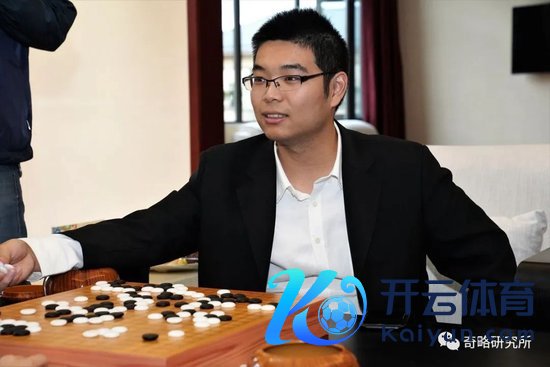
中国法律解释应该是咱们最老练的了。中国法律解释是源头摄取“禁全同”的隆重围棋法律解释,关联词由于履行起来贫穷等原因,在比赛中,“禁全同”法律解释莫得严格履行,致使于在法律解释文本中对一些特例指明了不错使用替代有讨论。底下的网站上有相比齐全的 2002 年版中国法律解释:
对于“禁全同”的要求:
第6条 绝交全局同形着子后不得使对方相通濒临曾出现过的地点。
第20条 绝交全局同形再现
全局同形再现是妨碍结尾的独一时期性原因,原则上必须绝交。
1、绝交单劫立即回提;
2、绝交假生类多劫轮回;图三……
3、原则上绝交三劫轮回、四劫轮回、永生、双提两子等全局同形再现的苍凉特例。凭据不同比赛,也可制定相应的补充章程,如无输赢、和棋、加赛等。图四为……
(注:中国法律解释的禁全同表述更像是 SSK,但本意应该是 PSK)
对于“自杀”的要求:
第5条 禁着点
棋盘上的任何少许,如某方下子后,该子立即呈无气景况,同期又不成提真金不怕火对方的棋子。这个点叫作念“禁着点”。如图二……
第19条 禁着点
棋子下在禁着点上,判入部属手无效,弃权一次。
结尾要求:
第7条 结尾
1、棋局下到两边一致阐明着子完毕时,为结尾。
2、对局中有一方半途认输时,为结尾。
3、两边一语气使用虚着,为结尾。
第21条 结尾
1、轮到入部属手的一方提议结尾,随之毁掉入部属手。若是对方不同意就此结尾,则得意许对方着子。毁掉入部属手方立地复原入部属手职权,对局重新运转,直至两边一致同意结尾。
2、两边已经阐明结尾,若是盘上尚留有可争之点,其包摄按双活形式处理。举例图五……
3、两边已经阐明结尾后,一方或两边即使又发现了灵验技巧,也不允许重新运转对局。举例图六……
生死判定要求:
第8条 活棋与死棋
1、结尾时,经两边阐明,不成被提真金不怕火的棋都是活棋。
2、结尾时,经两边阐明,能被提真金不怕火的棋都是死棋。
第21条 结尾
计点要求:
第9条 野心输赢
着子完毕的棋局,摄取数子法野心输赢。将两边死子清算出盘外后,对轻易一方的活棋和活棋围住的点以子为单元进行计数。
两边活棋之间的空点各得一半。
棋盘总点数的一半180.5点为归本数。一方总得点数跳跃此数为胜,等于此数为和,小于此数为负。
对于等效贴点的要求:
第11条 贴子
隆重比赛摄取黑棋贴子轨制,结尾野心输赢时,黑棋贴还3又3/4子。举例黑方统统得185子则黑胜3/4子,得184子则黑负1/4子,得184.5子则为黑胜1/4子。

日本法律解释

日本和韩国现在仍然使用日本法律解释,天然韩国棋院也制定过韩国法律解释,关联词和日本法律解释真的是相似的。值得指出的是,新的日本法律解释比老的日本法律解释有了一些新的章程,使得日本法律解释愈加表面化。比如,将“双活棋”界说为有单官存在的活棋,而“双活棋”围住的目不计点,这么一来,严格按照这个法律解释的话,单官是必须要下的。底下是日本棋院制定的 1989 年版日本法律解释:
波及“劫”的要求:
第六条(劫)交互に相手方の石一個を取り返し得る形を‘劫’という。劫を取られた方は、次の入部属手でその劫を取り返すことはできない。
★ 第六条(劫) 两边不错轮流提真金不怕火对方一枚棋子的棋形称为“劫”。被提劫的一方,不成不才一手立即提回该劫。
波及“轮回劫”的要求:
第十二条(無勝負)対局中に合并地点反復の状態を生じた場合において、两边が同意した時は無勝負とする。
★ 第十二条(无输赢) 对局中发生合并地点反复出当前,经两边同意,判为“无输赢”。
波及“自杀”的要求:
第三条(着点)盤上は、縦横十九路、その交点三百六十一であり、石は、第四条に合致して盤上に存在できる限り、交点のうちの空いている点(以下‘空点’という)のすべてに入部属手できる。
第四条(石の存在)
入部属手の收场後、一方の石は、その路上に隣接して空点を有する限り、盤上のその着点に存在するものとし、そのような空点のない石は、盤上に存在することができない。
★ 第三条(着点) 棋盘纵横十九路,共 361 个交叉点,只好合乎第四条的章程,就能在棋盘上空的交叉点(以下称为“空点”)上行棋。
★ 第四条(棋子的存在性) 行棋后,棋子的链接交叉点上只好有空点,就不错在棋盘上存在;若是莫得空点,则不成在棋盘上存在。
结尾要求:
第九条(終局)
1、一方が入部属手を放棄し、次いで相手方も放棄した時点で‘対局の住手’となる。
2、対局の住手後、两边が石の生死及び地を確認し、合意することにより対局は終了する。これを‘終局’という。
3、対局の住手後、一方が対局の再開を要請した場合は、相手方は先着する権利を有し、これに応じなければならない。
★ 1。 两边一语气虚着后,对局住手。
★ 2。 对局住手后,两边阐明棋子的生死以及地,并达成一致后对局限定,称为“结尾”。
★ 3。 对局住手后,若一方要求重新运转对局,那么对方有先行落子的职权。
生死判定要求(日本法律解释还有好多生死判例,就不逐个列举了):
第七条(生死)
1、相手方の入部属手により取られない石、又は取られても新たに相手方に取られない石を生じうる石は‘活き石’という。活き石除外の石は‘死に石’という。
2、第九条の‘対局の住手’後での生死確認の際における合并の劫での取り返しは、行うことができない。ただし、劫を取られた方が取り返す劫のそれぞれにつき入部属手放棄を行った後は、新たにその劫を取ることができる。
★ 1。 对方行棋后,不被提掉的棋子,或者即使被提掉又能重新产生出不会被提掉的棋子,称为“活棋”。活棋除外的棋子称为“死棋”。
★ 2。 在第九条的“对局住手”后,在阐明棋子的生死时,不成反提回合并劫。关联词,被提劫的一方一朝毁掉入部属手职权后,则不错重新提回劫。
计点要求:
第八条(地)
一方のみの活き石で囲んだ空点を‘目’といい、目除外の空点を‘駄目’という。駄目を有する活き石を‘セキ石’といい、セキ石除外の活き石の目を‘地’という。地の少许を‘一目’という。
第十条(勝敗の決定)
1、終局の合意の後、地の中の相手方の死に石はそのまま取り上げ、ハマに加える。
2、ハマをもって相手方の地を埋め、两边の地の目数を比較して、その多い方を勝ちとする。同数の場合は引き分けとし、これを‘抓碁’という。
★ 第八条(地) 某一方的活棋所围住的空点称为“目”,目除外的空点称为“单官”。有单官存在的活棋称为“双活棋”,双活棋除外的活棋所围的目称为“地”,地的少许即为“一目棋”。
★ 第十条(决定输赢) 1。 结尾后,相互把我方地中的对方死子取出,加算到提子中。2。 用提子互填对方的地,相比两边地的目数,多的一方为胜。疏通期称为“和棋”。

应氏法律解释
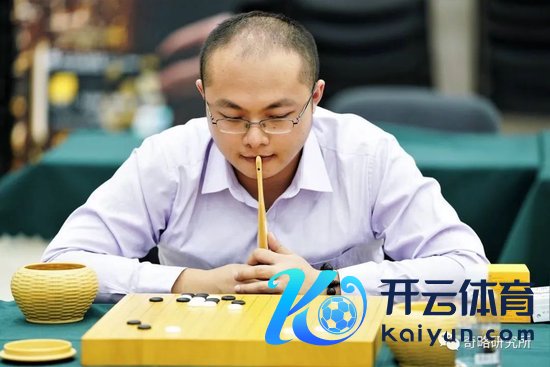
由应昌期先生创立的应氏法律解释是围棋的三大法律解释之一,何况在非东亚地区也有较大的影响力。应氏法律解释的文本极端艺术化,但也因为艺术化,应氏法律解释的一些形容不免有些吞吐。在采集上,我没找到应氏法律解释的泰斗版块,是以用底下两个勉强一下吧。第一个是中语的关联词好像不齐全;第二个是好意思国围棋协会网站上的英文版:
应昌期围棋教悔基金会
对于“禁全同”和“自杀”的要求:
第三条 入部属手:手分虚实 除穷任择
实手:本法律解释创“除穷任择”:着必有变,变穷禁着。颗、块子自提,有变可着。热子即提,越环再搅颗子自搅,变穷禁着。
第五条 劫掠:变穷劫掠 劫分争搅
变穷:简称“穷”乃变方互不相让之同型反覆或轮回。穷则无输赢,穷怎样除尽乃五千年深奥之谜。
劫掠:乃劫子除穷法律解释,本法律解释创“劫分争搅”:反覆为争轮回为搅。热子禁提除争穷,越环禁搅除搅穷。穷已除尽,任何劫型生死,王人有一定效果。
劫型:曲直虎口配对形成“劫型”。劫型中可互提之子称为“劫子”,虎口有小中大,劫子有单双三。
争劫:乃生死劫,一语气反覆所争之劫子称为“热子”。凡提真金不怕火热子须间隔一实手或虚手,不然争穷。
热子:传统仅“单热子”,本法律解释创:永生劫之双劫子逢双王人成“双热子”。争三劫除单热子外另一单或双劫子,视同热子,王人成“孪热子”。
搅子:乃搅方所形成之轮回劫,搅方一语气提劫,不争热子无关生死。越环后环环疏通,实为搅穷。本法律解释创“越环禁搅”:搅方如越环应绝交续搅,不然搅穷。衡劫活搅还原,虚劫死搅被提。
结尾要求:
第三条 入部属手:手分虚实 除穷任择虚手:单方虚手认输,入部属手间断。非认输之单方虚手,入部属手不绝。单官着完,两边虚手,入部属手停止,断根死子如有歧见,入部属手可再不绝。死子清完,两边再虚手,入部属手终了,四虚结尾。
生死判定要求:
第四条 提真金不怕火:气尽提真金不怕火 气定生死生死:生死有歧见应以“提真金不怕火”讲授之,提真金不怕火为死子,不提真金不怕火为活子。任何劫型生死,一律提证生死,不得判定生死。
计点要求:
第六条 野心:子空王人地 填满计点
准则:本法律解释创“子空王人地、空属邻界”为输赢准则:凡“活子”偏激“属空”王人为“域点”。
实务:本法律解释创“填满计点、以子量地”为野心实务:原有邻界一子未变,输赢点数幼儿可一目了然。
填满:四虚结尾后,即须计点。余空称“胜空”,余子称“负子”。双活中邻界曲直兼有之“公空”,多于一空各填其半,少至一空不得填子。
等效贴点要求:
第八条 局差
(二)章程还点:一律章程,黑还八点,平局黑胜,……

新西兰法律解释
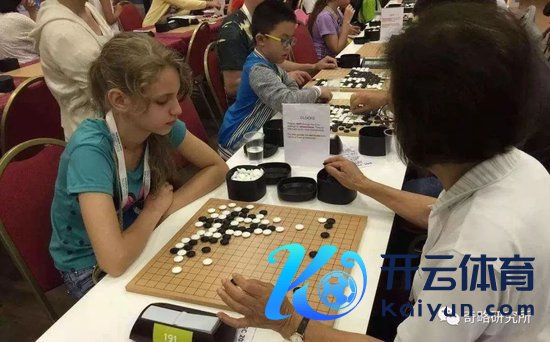
新西兰口角东亚国度中源头制定围棋法律解释的国度之一,新西兰法律解释对好意思国法律解释也有影响。底下的纠合是新西兰围棋协会网站上公布的 1986 年版法律解释:
对于“禁全同”的要求:
A move consists of
1。 making a play so that the resulting board position does not repeat the whole board position as it was after any of that player‘s previous moves or 。。。
某方落子后形成的地点不成与本局中该方先前行棋后形成的地点疏通。
对于“自杀”的要求:
A play consists of placing a stone (of that player‘s own colour) on an unoccupied intersection, then removing any of the opponent’s stones that then have no liberties (if any), and then removing any of that player‘s own stones that then have no liberties (if any)。
一次行棋包含 3 个关节:1。 将己方的一枚棋子落子一个空交叉点上;2。 提掉对方无气的棋子(若是有的话);3。 提掉己方无气的棋子(若是有的话)。
结尾和生死判定要求:
The game is finished when both players agree that there are no more worthwhile moves。 ‘Dead’ stones may then be removed from the board by mutual agreement。 If they cannot agree which stones are dead they must play on。 If they cannot then agree who shall move next, all stones stay on the board (are alive) and are counted。
当两边一致以为莫得有价值的着法时棋局暂停。将两边莫得争议的死子断根出棋盘。若两边无法对死子达成一请安见的话,那么不绝对局。若是两边无法对接下来该由哪方落子达成一致的话,那么系数棋盘上的棋子都被以为是活棋。
计点要求:
Territory of a player (at the end of the game) consists of all points occupied by that player‘s stones plus all unoccupied points adjacent to that territory。
结尾时,某方的地的数量为棋盘上该方棋子的数量加上与这些棋子相邻的空点数量。
等效贴点要求:
In an even game, 7 points (komi) are added to the white players territory。
在分先对局中,白方的地的数量独特加 7。

好意思国法律解释
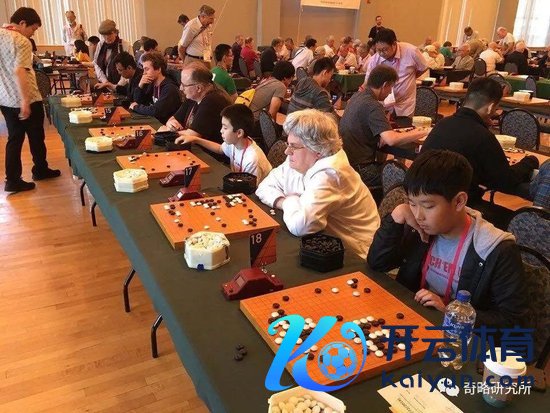
好意思国法律解释不仅在好意思国使用,何况在欧洲也有很大的影响力。英国法律解释和法国法律解释在内容上都是好意思国法律解释。
底下是好意思国围棋协会网站上的 1991 年版法律解释的文本:
对于“禁全同”的要求:
6) Repeated Board Position (Ko): It is illegal to play in such a way as to recreate a previous board position from the game, with the same player to play。
★ 6) 相通地点(劫):一方落子后,若是使得地点与本局中之前出现过的地点疏通,且是合并方行棋,那么这么的着法是不对法的。
对于“自杀”的要求:
5) 。。。 It is illegal for a player to move so as to create a string of his or her own stones which is completely surrounded (without liberties) after any surrounded opposing stones are captured。
★ 5) 。。。。。。 一方落子后,在对方被包围的棋子被提掉后,若是她我方的棋子被满盈包围(莫得气),那么这么的着法是不对法的。
结尾和生死判定要求:
9) Ending the Game: Two consecutive passes signal the end of the game。 After two passes, the players must attempt to agree on the status of all groups of stones remaining on the board。
Any stones which the players agree could not escape capture if the game continued, but which have not yet been captured and removed, are termed dead stones。
If the players agree on the status of all such groups, they are removed from the board as prisoners of the player who could capture, and the game is scored as in Rule 12。 If there is a disagreement over the status of some group or groups, play is resumed as specified in Rule 10。
10) Disputes: If the players disagree about the status of a group of stones left on the board after both have passed, play is resumed, with the opponent of the last player to pass having the move。 The game is over when the players agree on the status of all groups on the board, or, failing such agreement, if both players pass twice in succession。
In this case any stones remaining on the board are deemed alive。 Any stone or group of stones surrounded and captured during this process is added to the capturing player‘s prisoners as usual。
★ 9) 结尾:两边一语气虚着象征棋局间断。两虚后两边必须尝试对棋盘上棋子的生死达成一致。对于某些棋子,若是两边一致以为棋局不绝下去这些棋子势必会被提掉,那么这些棋子被称为死子。若是两边对棋盘上系数棋子的生死达成一致,那么将死子当作俘虏断根出棋盘,按照第 12 条野心得分。若是两边无法达成一致,那么依照第 10 条不绝对局。
★ 10) 争议:若是两虚后,两边对棋盘上系数棋子的生死无法达成一致,那么棋局不绝,由终末虚着方的对方运转行棋。棋局在两边对系数棋子的生死达成一致后限定,若是无法达成一致,那么在两边各自一语气两虚后限定。在这种情况下,棋盘上留住的系数棋子都被以为是活子。在这个经过中,所提棋子也和每每相似当作俘虏。
计点要求:
5) 。。。 After a player moves, any stone or string of stones belonging to the opponent which is completely surrounded by the player‘s own stones is captured, and removed from the board。 Such stones become prisoners of the capturing player。 。。。
7) Passing: On his or her turn, a player may pass by handing the opponent a stone, referred to as a pass stone, rather than playing a stone on the board。
11) The Last Move: White must make the last move--if necessary, an additional pass, with a stone passed to the opponent as usual。 The total number of stones played or passed by the two players during the entire game must be equal。
12) Counting: There are two methods for counting the score at the end of the game。 One is based on territory, the other on area。 The players should agree in advance of play which method they will use。 If there is no agreement, territory counting shall be used。
Territory: Those empty points on the board which are entirely surrounded by live stones of a single color are considered the territory of the player of that color。
Area: All live stones of a player‘s color left on the board together with any points of territory surrounded by a player constitute that player’s area。
Counting by Territory: When counting by territory, players add up their total territory less any prisoners held by the opponent (including dead stones removed at the end of the game)。 The player with the greater total (after adjusting for any compensation offered according to Rule 3) is the winner。
Counting by Area: When counting by area, the players add up their total area。 Prisoners are ignored。 The player with the greater total area (after adjusting for any compensation offered according to Rules 3 and 4) is the winner。
★ 5) 。。。。。。 一方行棋后,对方的棋子若是被满盈包围,那么这些棋子需要被提掉,成为提子方的俘虏。
★ 7) 虚着:当轮到行棋时,不错不落子,而将一枚棋子交给对方。
★ 11) 终末一手:白方必须下终末一手——若是有必要的话,白方需要独特使用一次虚着,像每每相似将一枚棋子交给对方。在整局棋中,两边落子数量加虚着数量必须绝顶。
★ 12 ) 计分:有两种计分法度,一种基于“目”,一种基于“地”。两边需要事前协商使用哪种法度,若是不协商(无法达成一致),那么使用基于“目”的计分法度。
★ 目:被一方的活子满盈包围的空交叉点是该方的目。
★ 地:棋盘上一方的系数活子以及被这些活子包围的目构成该方的地。
★ 中立点:两边都莫得满盈包围的空交叉点被称为中立点,中立点不是任何一方的目或地。
★ 数量法:一方的得分为讨论数量减去对方抓有的俘虏数量(包括在结尾断根出棋盘的死子)。在凭据法律解释 3 弯曲两边得分后,得分高者顺利。
★ 数地法:一方的得分为地的数量,不计俘虏。在凭据法律解释 3 和 4 弯曲两边得分后,得分高者顺利。
等效贴点要求:
3) Compensation: In an even (non-handicap) game, Black gives White a compensation of 7 ½ points for the advantage of the first move。 This compensation is added to White‘s score at the end of the game。 。。。
★ 3) 抵偿:在分先对局中,由于先手上风,黑方赐与白方 7.5 点的抵偿。抵偿在结尾时计入白方的得分。

智运会法律解释
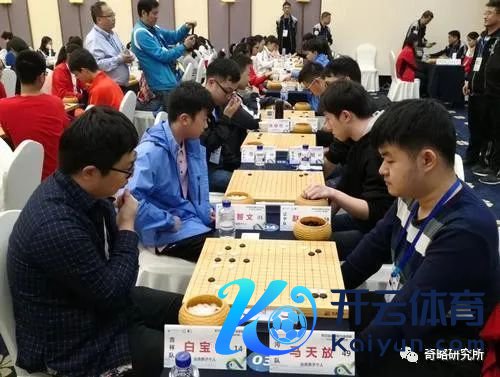
2008 年智商通顺会使用的围棋法律解释更动地使用“首虚”主意来完毕收后还子,使得“数子”法也能贴 6.5 点。智运会法律解释的泰斗版块我也没找到,底下第个一纠合是好意思国围棋协会网站上的英文版块,第二个是百度百科上的中语版块:
对于“禁全同”的要求:
Section 4 Prohibiting the Reappearance of the Same Board PositionIt is illegal to play in such a way as to recreate a board position that previously existed on the board。
第四条 绝交全局同形还原绝交着子后,全局还原到对方某一步棋往常的景况。
(注:这里需要指出,这里英文版的表述好像是 PSK,中语版的是 SSK)
对于“自杀”的要求:
Section 3 Liberties and Dead Stones5。 Forbidden points: A forbidden point is an unoccupied point on the board which, if played, would leave that stone and its connecting unit of stones without liberties, while failing to remove any of the opponent‘s stones。 A player cannot play on a forbidden point。
第三条 棋子的气死子
5、禁着:绝交着子后己方棋子无气又不成提真金不怕火对方棋子。
结尾要求:
Section 5 Ending the Game
Two consecutive passes signal that both players believe that there are no more points to contest for in the game。 The game of placing the stones in alternation comes to an end and the competition is over。 Then:
1。 The two players remove dead stones by mutual agreement。 The game ends when all the dead stones have been agreeably removed。
2。 In case of disputes on the life and death of any of the stones or the rights to the vacant points, either player may propose to resume the play and continue in the original order, until there are two consecutive passes again and the game comes to its end。 In this case, all stones remaining on the board are alive。
3。 Play may only be resumed to confirm the life or death of stones and the rights to the vacant points enclosed by the living stones。 If one or both players find other contestable points on the board after two passes,
those points shall be left as they stand and are evenly divided between the two players。
第五条 结尾
两边一语气弃着示意两边均以为已无可争之棋,两边一东说念主一手的对局限定,棋局中止。然后,
1、对盘上尚未完成的提真金不怕火死子等势必经过,两边达成共鸣,简化这还是过,按共鸣结尾。
2、任何一方均可建议复原对局实证,按原规定不绝轮替着子,再至两边一语气弃着,棋局限定,结尾,则此时盘上系数子均为活子。
3、复原对局的意义和讨论必须是实证生死、阐明局部包摄。若是一方或两边又发现了有价值之处,不允许复原对局,有价值之处的包摄按两边参半野心。
计点要求:
Section 7 Counting the Score
There are three methods for counting: counting the stones and the surrounded points; counting the surrounded points after filling in the captured stones; and counting by filling in all the stones。 Although methods differ, the result will be the same, and all the methods may be offered as choices。 。。。
第七条 计数
在本法律解释下,使用数子法、数空法和填满计点法效果是一致的,均可摄取。本次比赛摄取填满计点法。
局终后两边各自把棋子填入我方的空中,填满为止,然后数子。本法度必须保证棋盒内棋子数为准确的180颗,如斯则凭据填满之盈缺立即能得出输赢效果。
等效贴点要求:
Section 6 Determining the Winner
There are two types of compensations。 The first type depends on who passes first in the game。 If White passes first, Black‘s score is reduced by 1。 If Black passes first, no such compensation is given。
The second type of compensation aims to balance the advantage enjoyed by the player who makes the first play。
To ensure a fair game, the Black player is asked to deduct an amount from his total points, traditionally known as the komi (tie-xian in Chinese)。 The amount of komi in this tournament is set to be 6.5 points。
第六条 输赢
如黑方收后,则黑方收后之 1 点的价值应视为黑先白后平分,简称黑收后减 1 点。为均衡先行之利,使对局自制,每每要求先行方作出抵偿,称为贴先。贴先数由比赛组织者笃定。本比赛摄取贴 6 点半。

Tromp-Taylor 法律解释
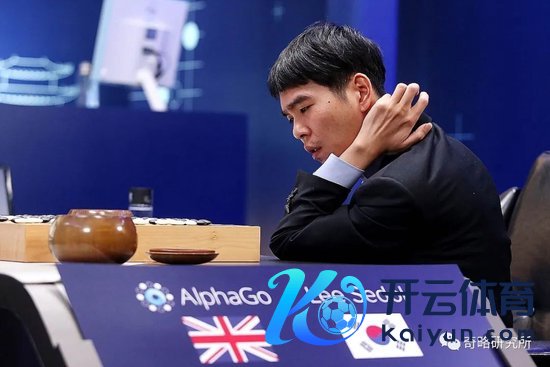
在 AI 时间,野心计所使用的法律解释亦然必须要提的,Tromp-Taylor 法律解释即是一个被 AI 庸碌使用的围棋法律解释。Tromp-Taylor 法律解释相比爽脆,何况使用了逻辑化的谈话,野心计完毕起来相比粗放。底下是 John Tromp 的个东说念主网页上给出的形容:
对于“禁全同”的要求:
6。 A turn is either a pass; or a move that doesn‘t repeat an earlier grid coloring。
★ 6。 一手棋要么是虚着,要么是一着不相通之前格点染色的着法。
结尾要求:
8。 The game ends after two consecutive passes。
★ 8。 一语气两个虚着后结尾。
另外,在 Tromp-Taylor 法律解释中,还不错选拔使用合同断根死子:
8.As a practical shortcut, the following amendment allows dead stone removal:
After only 2 consecutive passes, the players may end the game by agreeing on which points to empty。
After 4 consecutive passes, the game ends as is。
★ 在试验中为了粗放,不错使用底下的修正来断根死子:
★ 一语气两虚后,两边不错合同断根死子尔后结尾。一语气四虚后,棋局间断。
计点要求:
9。 A player‘s score is the number of points of her color, plus the number of empty points that reach only her color。
★ 9。 一方的得分为其花样的点的数量,加上那些只到达她的花样的空点数量。

转头
咱们用一张表格来转头和相比上头提到的这些法律解释:
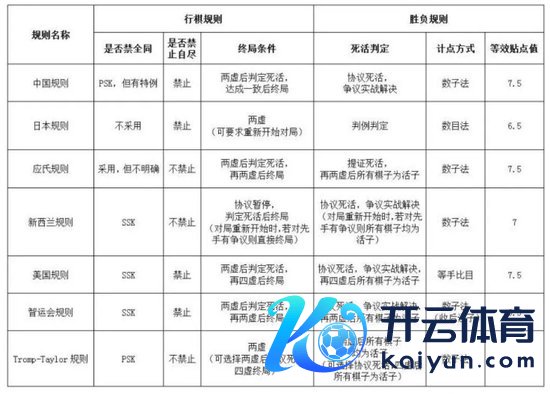
不错看到:
★ 好多法律解释都使用禁全同来表述劫掠法律解释,但日本法律解释如故莫得摄取禁全同。
★ 在是否绝交“自杀”方面,各个法律解释也有分歧。
★ 结尾条件方面,好多法律解释都摄取“先暂停再判定生死终末结尾”的模式,Tromp-Taylor 法律解释在使用合同生死时亦然这个模式,而原始的 Tromp-Taylor 法律解释精真金不怕火苛虐地将“两虚”当作结尾条件。
★ 生死判定方面各个法律解释也不太相似,但大多是“合同生死,争议实战管制”的模式,而日本法律解释下生死仍然依赖判例和裁判。
★ 计点形式上,除了传统的数子法和数量法,好意思国法律解释使用了“等手比目”,智运会法律解释使用“首虚”完毕“收后还子”。
★ 各个法律解释的等效贴点值基本是 6.5 或 7.5,新西兰法律解释贴 7 点允许了和棋。
其他参考贵府:
1。 陈祖源,《围棋法律解释新论》
2。 陈祖源体育赛事直播,《现谢宇宙围棋法律解释概貌》